
The Three Levels of Government in Canada
The three levels of government in Canada: federal, provincial and municipal. Who does what, explained simply for the citizenship test.
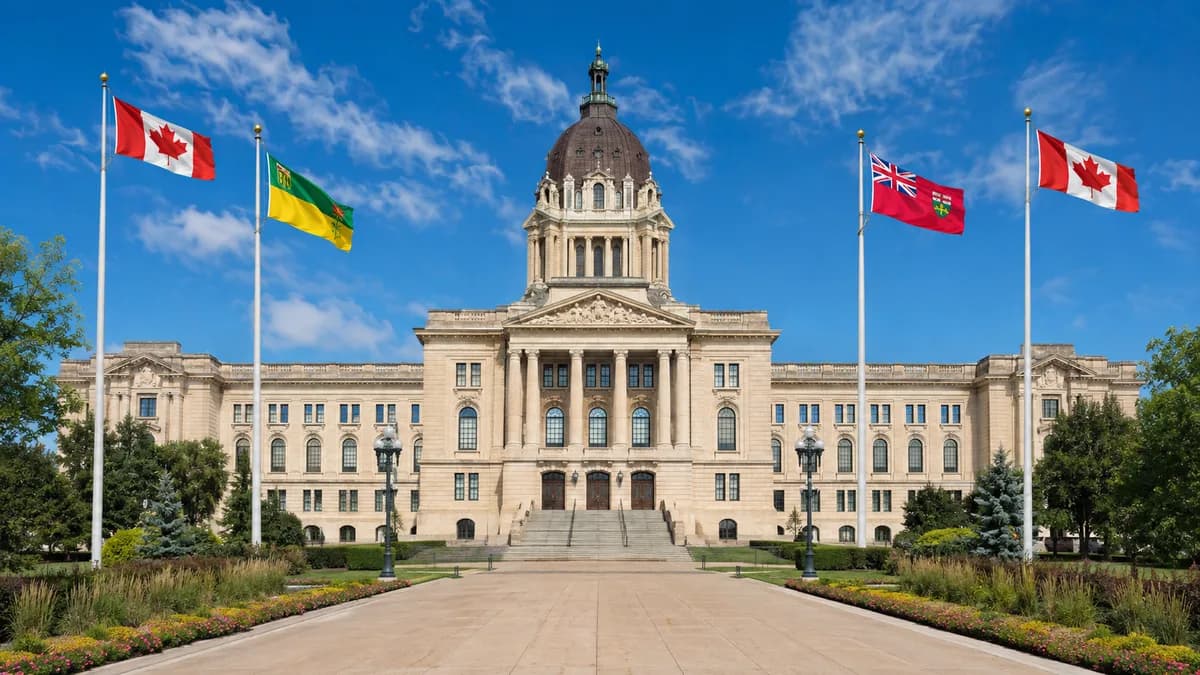
Canada has three levels of government: federal, provincial or territorial, and municipal (local). The federal level handles national matters like defence, citizenship and currency; the provincial and territorial level handles education, health care and highways; the municipal level runs local services like water, garbage and snow removal. Each level is led differently and has its own responsibilities. The citizenship test often asks you to know who does what, so this guide breaks down each level, who leads it, its main duties, and how the three work together.
This split is more than an administrative map: it reflects how the country was built. The division of powers between the federal and provincial governments is set out in the Constitution Act, 1867, while municipalities get their powers from the provinces. Understanding this structure helps you answer test questions and, later, know which office to contact in everyday life.
The federal government
The federal government, based in Ottawa, handles matters that affect the whole country. This includes citizenship and immigration, national defence and the armed forces, foreign policy and relations with other countries, criminal law, currency and the postal service. This is the level where the Parliament of Canada sits, made up of the Sovereign, the House of Commons and the Senate.
These responsibilities apply to all Canadians, no matter which province or territory they live in. A Canadian passport, for example, carries the same value whether you get it in Vancouver or Halifax, because the federal government issues it. In the same way, the Royal Canadian Mounted Police, the Bank of Canada and the military all belong to the national level.
The federal government also collects taxes and transfers money to the provinces to support shared services, especially in health care. This redistribution role explains why one level can fund a responsibility that officially belongs to another.
Provincial and territorial governments
Provinces and territories manage services close to daily life: education, health care and highways. They also handle social services, the management of natural resources on their land, and many rules of civil life. That is why these services can differ from one region to another: school, hospitals and driver's licences do not work exactly the same way in Quebec, Ontario and Alberta.
Canada has ten provinces and three territories. One key difference sets them apart: provinces draw their powers directly from the Constitution, while territories receive theirs from the federal Parliament. In practice, territorial governments today carry out responsibilities very similar to those of the provinces for the daily life of their residents.
Here is a summary of the main responsibilities by level, useful to memorise for the test:
- Federal: citizenship and immigration, national defence, foreign policy, criminal law, currency, postal service.
- Provincial and territorial: education, health care, highways and roads, social services, natural resources.
- Municipal: drinking water, garbage collection, local police, fire services, snow removal, local public transit.
Municipal government
Municipal, or local, government handles neighbourhood services in cities and towns. It looks after drinking water, garbage collection, local police, fire services, snow removal and often local public transit. It is the level closest to citizens in daily life: when you turn on a tap, put out your bins or walk on a cleared sidewalk, you are using municipal services.
Municipalities are not named as a separate level in the Constitution. They receive their powers from the provinces, which set their boundaries and their duties. That is why they are sometimes called "creatures of the provinces." Despite this status, they have a huge effect on your everyday life, from neighbourhood zoning to the upkeep of parks.
Who leads each level
Each level is led by a different person: the Prime Minister at the federal level, a Premier in each province, and a mayor in each municipality. Remembering these titles is a quick way to avoid mixing up the levels on test day.
At the federal level, the Prime Minister of Canada leads the government and chooses the Cabinet ministers. The Prime Minister is the leader of the party that wins the most seats in the House of Commons. In each province, a Premier plays an equivalent role for that province, backed by its own legislative assembly. In each city or town, a mayor and a municipal council, elected by residents, make local decisions.
Do not confuse these elected leaders with the representatives of the Sovereign. The Governor General represents the King at the federal level, and a Lieutenant Governor represents the King in each province. These roles are mainly ceremonial and constitutional, while the day-to-day political power rests with the Premiers and mayors. The guide to how government works on canada.ca explains these roles in detail.
How the three levels work together
The three levels do not work in isolation: they often share the same issue and have to coordinate. Health care is the best example. Provinces run the hospitals and pay the doctors, but the federal government sets national standards and sends financial transfers to support the system. So the service you experience depends on two levels at once.
The environment, transport and housing show the same logic. A road may belong to the province but pass through a city that runs its own traffic lights, while the federal government funds major infrastructure projects. When a power is shared or unclear, governments negotiate agreements, and sometimes the courts decide who really holds the power. This cooperation, at times tense, is a normal feature of a federal country like Canada.
Why the test asks about this
The citizenship test checks that you understand who makes decisions in Canada, because voting and taking part means knowing which level to turn to. The official guide "Discover Canada" devotes a section to this structure, and several questions deal directly with the division of responsibilities.
In practice, the test may ask which level handles education, who is responsible for national defence, or who leads a municipality. Good preparation is not about memorising lists by heart, but about grasping the logic: big national matters go to the federal level, everyday services to the provincial level, and neighbourhood services to the municipal level. With that framework in mind, most questions become easy to answer. You can test this logic with our timed practice exams and target your weak spots through smart review.
Remembering who does what
The most effective method is to match each service with the right level rather than learning abstract definitions. Health care and education go with the provincial level, defence and citizenship with the federal level, and garbage collection and water with the municipal level. Linking each example to a concrete part of your life keeps the information in memory far better.
To lock in these markers, alternate reading and practice. Review the material with our chapter quizzes, then check what you have learned under exam conditions. To place these levels within the wider political system, also see the guide Canada Explained and our article on the three branches of government, which explains the difference between levels and branches.