
Richmond Library Citizenship Test: The Practice Test Explained
Richmond's public library helps you prepare for the citizenship test: Discover Canada guide, study space, and free online practice.
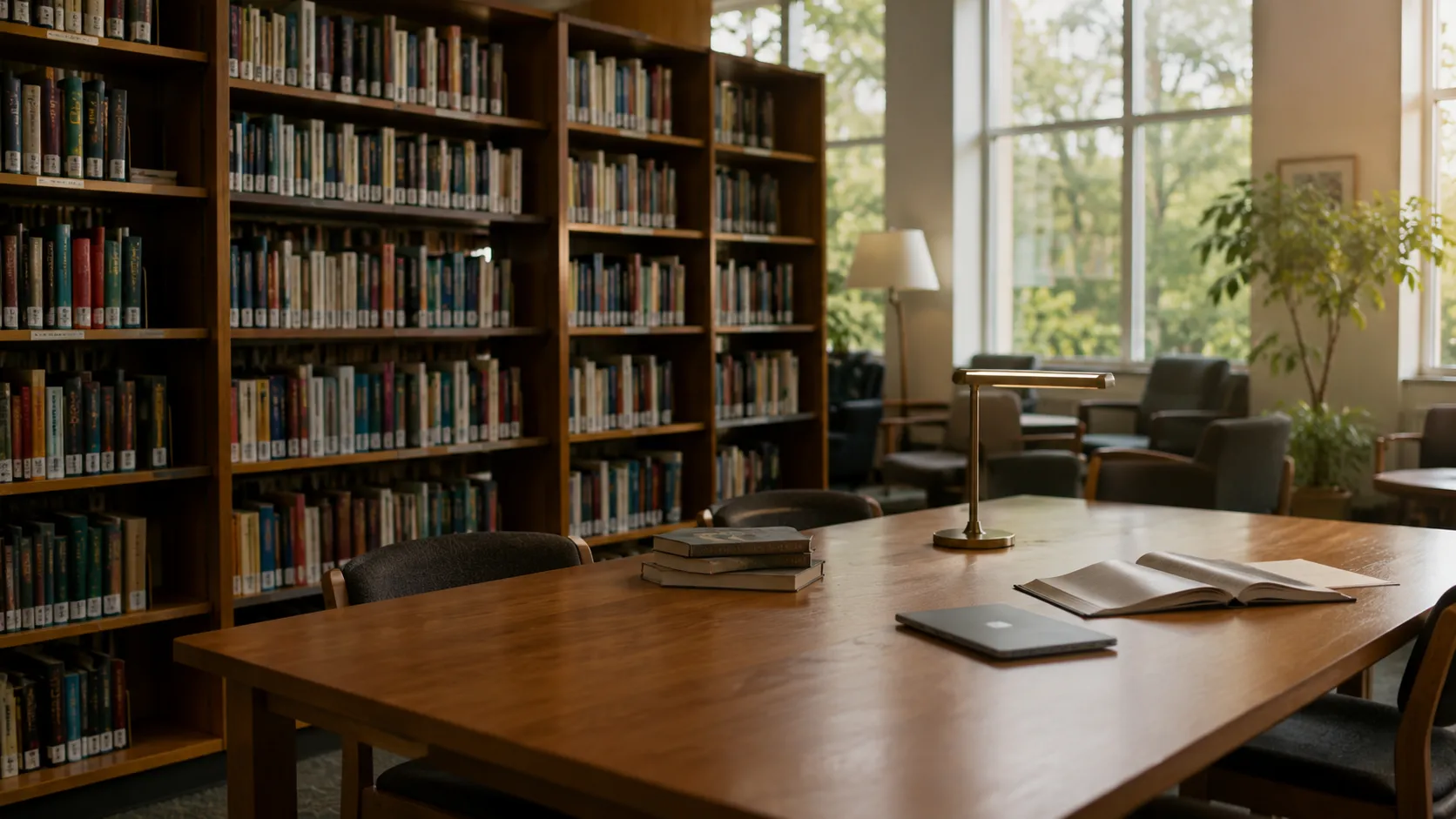
Your public library is one of the best allies for preparing for the Canadian citizenship test, and many people overlook it. Many libraries, like Richmond's, lend the Discover Canada guide for free, offer a quiet place to study, provide computer and internet access, stock language resources, and host newcomer settlement services. Pair that in-person help with free online practice and you will cover far more than the 20 questions on the real test.
What people mean by the Richmond Library test
When people search for the Richmond Library citizenship test, they usually mean a free practice test connected to a public library in the Richmond area. The idea is simple: multiple-choice questions based on the Discover Canada guide, the official source for the real test. It is popular because it is free and needs no signup, which is exactly what most applicants want.
The bigger point goes beyond one specific test. Your local library, wherever you live in Canada, offers real resources for studying. You do not have to live in Richmond to benefit. Check with your own branch, because many libraries provide comparable help under different names.
How public libraries help newcomers
Public libraries are built for welcoming people and supporting learning, which makes them a natural starting point for citizenship preparation. Most offer a free membership card to anyone living in the municipality, including permanent residents. That card unlocks books, computers, and often digital resources you can use from home. Staff are there to help and will not judge your starting level, which makes the library especially welcoming when you are new and unsure where to begin. Unlike a paid course, there is no financial barrier: preparation stays within reach for any resident, whatever their budget.
Here are the resources most useful for test prep that many libraries carry:
- The Discover Canada guide to borrow for free, often in multiple copies, sometimes in audio format for listening on the go.
- A quiet study space, with tables and silent rooms, which matters a lot when home is too busy to focus.
- Free computers and internet access, essential for taking online mock exams if you do not have a device at home.
- Language resources and ESL or FSL classes, so you can strengthen your English or French alongside the civics content.
- Settlement and newcomer services, often delivered on site by government-funded partner organizations.
The Discover Canada guide, free at the library
The citizenship test is entirely based on the Discover Canada guide, so getting your hands on it is step one. The official version is available free on canada.ca, but many people prefer a paper copy to highlight, annotate, and flip back through without a screen. Your library almost always keeps copies to borrow. If every copy is checked out, ask the desk to place a hold: you will be notified as soon as one comes back, often within a few days. Some libraries also shelve the guide in a reference section you can read on site, which guarantees it is always available for a spur-of-the-moment study session.
A quiet advantage: libraries often offer the guide in audio format or in a simplified language-learning version. Listening to the chapters during your commute or while doing chores adds repetition without extra study time, which helps enormously for memorizing dates, symbols, and institutions.
Study space, computers, and internet access
Studying at home is hard when the house is noisy or shared. A library gives you a calm environment built for focus, where one hour of study is often worth two hours of distracted review. Booking a regular slot at the library also builds a routine, and consistency matters more than rare marathon sessions. If your household includes young children or shift workers, a library visit can be the one reliable window of quiet in your week, and protecting that window is often the difference between finishing your preparation and letting it drift.
Computer and internet access matters just as much. The real test is most often taken online, with 20 questions to answer in 45 minutes. Practicing on a library computer gets you used to that on-screen format. You can take a timed mock exam for free from any workstation, with no software to install and no account to create. Many libraries also let you book a study room in advance and offer low-cost printing, handy for keeping the list of your elected representatives or your revision notes close at hand.
Language resources and ESL classes
For many applicants, the challenge is not only knowing the answers but reading the questions quickly enough in a second language. Libraries support this directly. They hold English and French learning collections and graded readers, and they often host free conversation circles where you practice speaking in a relaxed setting.
Many libraries also host, or refer you to, government-funded English as a Second Language (ESL) or French as a Second Language (FSL) classes, such as LINC courses for permanent residents. Strengthening your language makes every test question easier to understand, and it makes the interview with the citizenship officer less stressful. Remember that the interview takes place in one of the two official languages: the more comfortable you are reading and speaking, the simpler the exam feels, because you no longer lose time decoding how a question is worded.
Settlement services and study groups
Libraries often work with settlement agencies that help newcomers with jobs, housing, paperwork, and yes, citizenship preparation. Some agencies run information sessions or citizenship study groups right inside the library, where a facilitator walks through the chapters of Discover Canada and answers questions. These settlement agencies are often funded by the federal government and their services are free for permanent residents; they can also help you understand the steps of your application, prepare your documents, and point you to other local supports.
Studying in a group gives you two things solo study does not: consistency, because a fixed meeting keeps you coming back, and explanation, because hearing someone reword a concept makes it stick. Ask at your library's desk whether there is a citizenship study group or conversation circle, or check its online events calendar. A single session can clear up a point that confused you for weeks, and it connects you with other applicants going through the exact same process.
Why combine in-person help with online practice
A single practice test has a limit: after two or three passes, you remember the answers rather than the material. To really be ready, you want a much larger pool of questions so every session feels new. That is the perfect complement to the library's paper resources.
You can practice hundreds of questions for free, far more than a library booklet, so you never run out of fresh material and you cover every topic the real test could draw from. Online you also get instant feedback and progress tracking that highlights your weak spots, something a printed booklet cannot do. Read the chapters at the library, then test your recall with online quizzes: the two reinforce each other. Alternating between paper and screen also keeps your motivation up: reading lays the foundation, while every quiz you pass gives a concrete sign of progress. From there you can target your weak spots with spaced review that brings missed questions back at the right moment.
Getting the most out of your library
A few simple habits make every visit more useful. Start by getting your free membership card, then ask staff where to find the Discover Canada guide and whether any citizenship preparation resources exist. Librarians know their collection and can point you to materials you would not have found on your own, including audio or simplified-language versions.
Next, build the habit of booking a fixed study slot, for example two evenings a week, and bring headphones so you can run online quizzes on a library computer without disturbing anyone. Finally, watch the events calendar: citizenship information sessions, conversation circles, and newcomer help workshops are often free and open to everyone.
A practical four-week study plan
Here is a simple way to put it all together. Adjust it to your own pace, but keep the mix of reading, practice, and targeted review.
- Week 1: borrow Discover Canada from the library and read one chapter at a time. After each chapter, take an online chapter quiz to check what stuck.
- Week 2: keep reading and add short daily practice sessions. Note the questions you miss often, especially dates, rights, and symbols.
- Week 3: move to full mock exams. Simulate the real 20-question format and aim for the passing mark of 15 out of 20 (75%).
- Week 4: focus on your weak spots with targeted review, and redo one or two mock exams to confirm you are consistent before test day.
Remember the basic facts of the real test: 20 questions, a passing mark of 15 out of 20, usually online with 45 minutes on the clock. Nothing to pay and no account to create to practice. Between your library's resources and online practice, you will have seen far more than the 20 questions you face on test day, and you will walk in with confidence.